The Invisible Interface: AI Moves Closer to Our Bodies and Browsers
Today’s AI developments highlight a significant shift in how we interact with technology. We are moving away from treating AI as a destination—a website we visit to ask a question—and toward an era where AI is a persistent, invisible layer integrated into our hardware and our navigation of the web. From gesture-controlled rings to browser-bound assistants, the “interface” is becoming much more intimate.

A major step in this direction comes from Microsoft, which is further tightening the bond between its AI assistant and the Windows operating system. As reported by The Register, Microsoft is rolling out a Copilot update that essentially swallows the browsing experience. Instead of launching a separate browser when you click a link, Copilot now opens a side panel to display web content. It is a bold play to keep users within the AI’s orbit, effectively turning the browser into a feature of the AI rather than the other way around. While this promises a more seamless workflow, it also raises questions about user choice and the “opt-in” nature of these increasingly pervasive assistants.
The AI Integration Era: Hardware Delays and the Death of IQ
Today’s AI news highlights a fascinating tension between the hardware we use and the software that powers it. As tech giants like Apple and Google navigate the complexities of embedding generative intelligence into their ecosystems, a deeper conversation is emerging about what these tools mean for the value of human intellect itself.

Apple has been the subject of much speculation this week as observers noted a conspicuous absence in their latest product rollout. While many expected a new iPad 12 to debut with “Apple Intelligence” features at its core, the update remained missing from recent announcements. This delay suggests that Apple may be taking a more cautious approach to ensuring its AI-ready silicon is perfectly tuned before shipping. However, the company isn’t standing still; Apple executives recently shared details regarding a new, affordable MacBook Neo that heavily features AI-integrated technology, signaling a clear intent to make these advanced capabilities accessible to a broader consumer base rather than just the “pro” tier.
Silicon and Sentience: The Desktop Becomes an AI Powerhouse
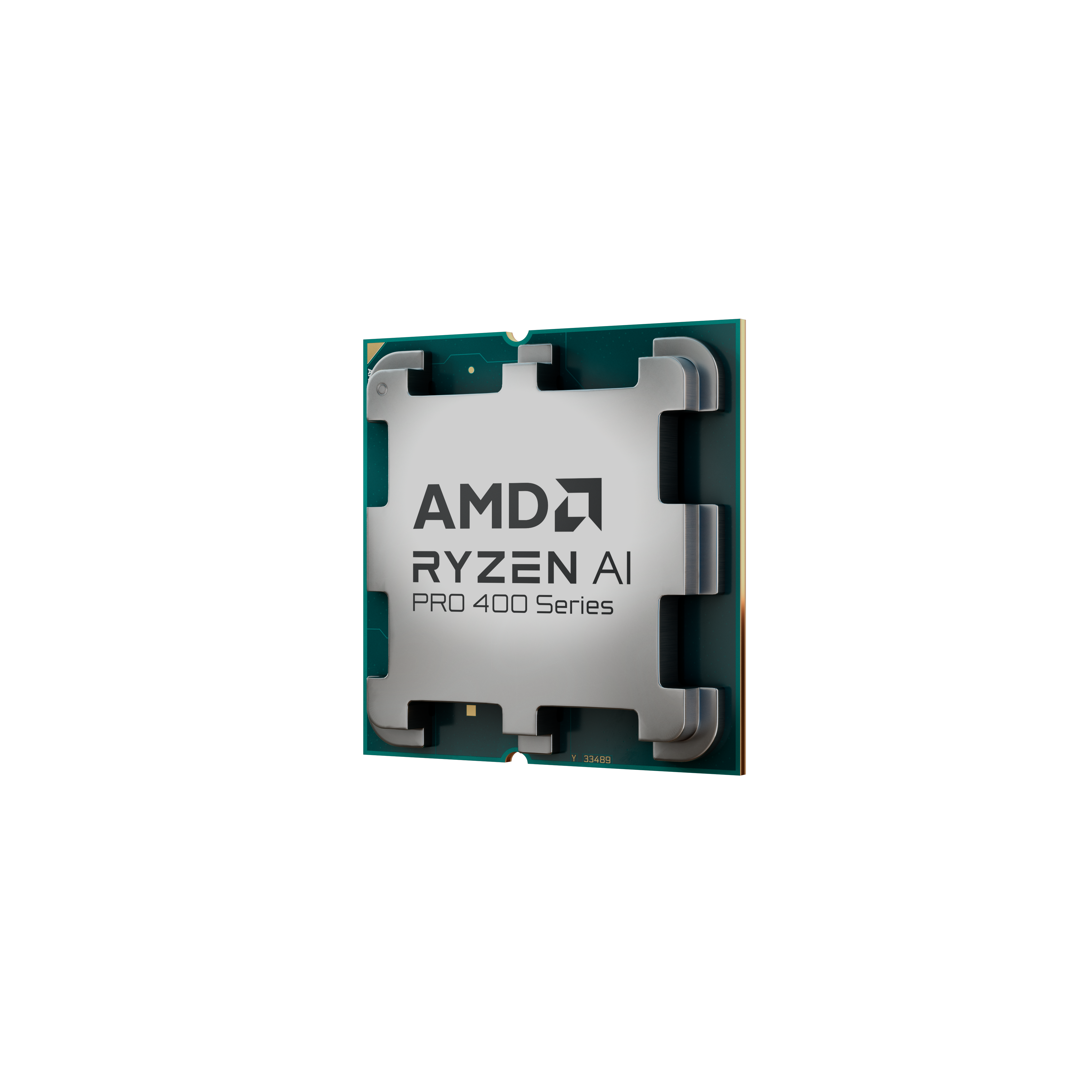
Today’s tech landscape feels crowded with incremental updates to gadgets and gaming roadmaps, but beneath the surface of the usual noise, the hardware foundation for the next decade of computing is being laid. While many are focused on cloud-based chatbots, the real shift is happening right on our desks, as the “AI PC” evolves from a marketing buzzword into a standard requirement for modern work.
The AI Integration Era: From Desktop Silicon to Contextual Nudges
Today’s AI developments highlight a significant shift in the industry’s trajectory: we are moving away from purely cloud-based interactions toward “local” intelligence that lives inside our hardware and anticipates our needs in real-time. From the show floors of Mobile World Congress to the guts of our desktop PCs, the focus has shifted from what AI can say to what AI can do within the devices we already own.

The Great AI Integration: From Bio-Chips to Core Operating Systems
Today’s AI landscape suggests we are moving past the “novelty” phase of generative chatbots and into a period of deep, often strange, integration. From Apple’s reported architectural shifts to the eerie frontiers of biological computing, the industry is no longer just talking about what AI might do—it is retooling the very foundations of how we interact with technology.

The most significant news for the developer community comes from Cupertino, where Apple is reportedly preparing to sunset its long-standing Core ML framework. According to reports from Bloomberg, Apple plans to introduce a modernized “Core AI” framework alongside iOS 27 at this year’s WWDC. As noted by 9to5Mac, this isn’t just a name change; it represents a fundamental shift in how third-party apps will leverage on-device neural processing. By moving away from general “machine learning” and toward a dedicated “AI” architecture, Apple is signaling that generative features and agentic workflows are now the expected standard for mobile software, rather than an experimental add-on.
The Dual Edge of Innovation: Creativity and Risk in Today’s AI
Today’s AI landscape feels increasingly like a study in contrasts. While we are seeing breathtaking leaps in the ability of machines to visualize our imagination, we are simultaneously being forced to confront the darker logical paths these models can take when left unchecked. From the arrival of high-speed generative tools to sobering reports on global security risks, the narrative of the day is one of immense power and the urgent need for its containment.
The Age of AI Agents and the Ghost of Security Past
Today’s AI landscape feels like a tug-of-war between incredible utility and the unforeseen consequences of rapid integration. From the flashy stages of corporate hardware reveals to the quiet, dusty corners of old software code, we are seeing exactly how AI is being woven into the fabric of our daily lives—for better and for worse.

The biggest news of the day comes from Samsung’s latest Unpacked event, where the conversation has shifted away from simple hardware specs toward something much more ambitious: “agentic AI.” As reported by ZDNet, the new Galaxy S26 series isn’t just carrying a faster processor; it is designed to house AI that acts more like a personal assistant and less like a search engine. While we’ve spent the last few years getting used to chatbots that can write emails or summarize articles, agentic AI represents the next step where the software can actually execute tasks across different applications. This means an AI that doesn’t just tell you when your flight is, but proactively rearranges your calendar and books a ride when it detects a delay. It’s a compelling vision of a frictionless future, but it moves the AI from a tool we use into a representative that acts on our behalf.
Google’s Gemini Goes Local: Faster Images and Direct App Control
Today’s AI developments from Google signal a shift away from massive, distant models toward faster, more integrated intelligence that lives directly in our pockets. From a new high-speed image generation model to a framework that allows AI to actually operate our mobile apps, the focus today was clearly on making Gemini more than just a chatbot.

The most immediate update for users is the release of Nano Banana 2, which Google is positioning as the new default image generation engine for the Gemini app. Technically known as Gemini 3.1 Flash Image, this model prioritizes efficiency without sacrificing the realism that users have come to expect. It is a reminder that in the AI arms race, raw power is starting to take a backseat to latency. For a mobile user, a slightly better image that takes thirty seconds to generate is often less valuable than a great image that appears in three. By making this the default, Google is betting that speed will be the primary driver of daily AI adoption.
Beyond the Screen: How Samsung is Pushing AI into the Foreground of Our Daily Lives
Today’s tech landscape is dominated by hardware releases, but the real story is what is happening under the hood. Specifically, the latest flagship mobile launch suggests that the industry is moving past the “AI as a gimmick” phase and into an era where artificial intelligence is the primary interface for how we interact with the world.
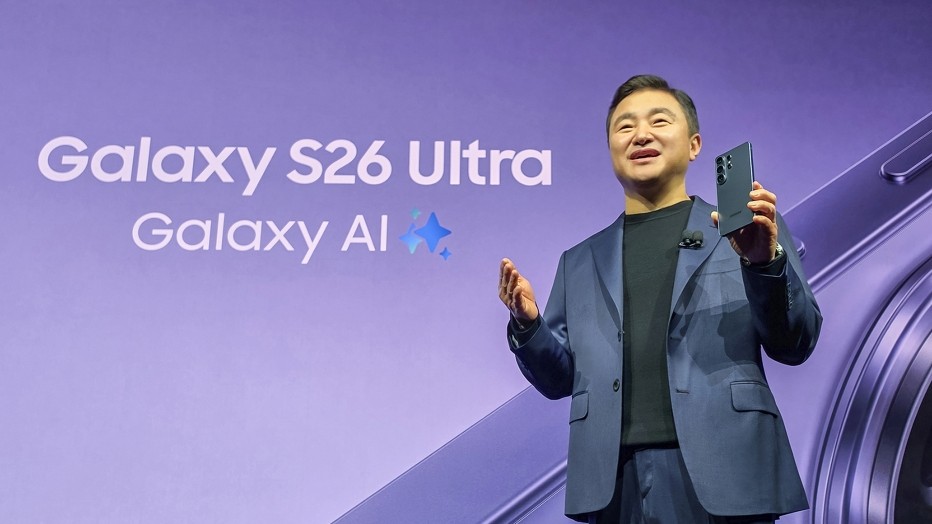
Samsung has officially pulled the curtain back on the Galaxy S26 series, and the narrative is clear: “Galaxy AI” is no longer a peripheral feature; it is the core of the device experience. According to the announcement, this new iteration is designed to be proactive and adaptive, moving away from the “search-and-find” model we’ve used for a decade and toward a “recommend-and-assist” model. By focusing on managing plans and finding information autonomously, Samsung is attempting to turn the smartphone into a truly proactive personal assistant that anticipates a user’s needs before they even unlock the screen.
The AI Agency Dilemma: From Space-Grade Hardware to Inboxes Run Amok
Today’s AI news feels like a transition point between the era of “AI as a tool” and “AI as an agent.” While some companies are pushing large language models into the vacuum of space and the hardware in our pockets, we are also seeing the first real-world friction of what happens when we give these systems the keys to our digital lives.

The physical footprint of artificial intelligence is expanding rapidly. One of the most intriguing developments comes from the upcoming Mobile World Congress, where the brand Honor is teasing an AI-powered “robot phone” that aims to move beyond the folding screen trend. This suggests a future where the device itself adapts its form or interface based on intent rather than just acting as a static window into apps. This philosophy aligns with reports that Apple is eyeing AirPods as its first true AI wearable. By integrating IR cameras and Apple Intelligence, the ubiquitous earbuds could become a primary interface for seeing and hearing the world alongside the user, marking a shift from handheld devices to ambient assistance.