The Price of Presence: AI’s Privacy Headache Meets Its Screenless Future
Today’s landscape in artificial intelligence is a study in contrasts. On one hand, we see the immediate, real-world consequences of ubiquitous ambient listening technology, resulting in massive legal settlements. On the other, we are teased with the next great leap in personal AI—a futuristic, screenless device that promises to upend the smartphone era entirely. This dichotomy highlights the central tension governing AI today: how do we balance incredible convenience against the escalating cost of privacy?
The immediate headline that grabbed attention today involves corporate accountability, as Google agreed to pay $68 million to settle a lawsuit. The core claim was unsettling: that Google Assistant was secretly recording private conversations through users’ phones without explicit knowledge or permission. While Google often maintains that its AI assistants are only “waking up” upon hearing a hotword, settlements like this validate the deep, lingering suspicion many users have about the “always-on” nature of home and mobile smart devices. This monetary penalty is less about the dollars and more about the cultural message: the line between passive listening for functionality and active eavesdropping is proving incredibly blurry, and big tech is now paying a real price for eroding consumer trust in its foundational voice AI technologies.
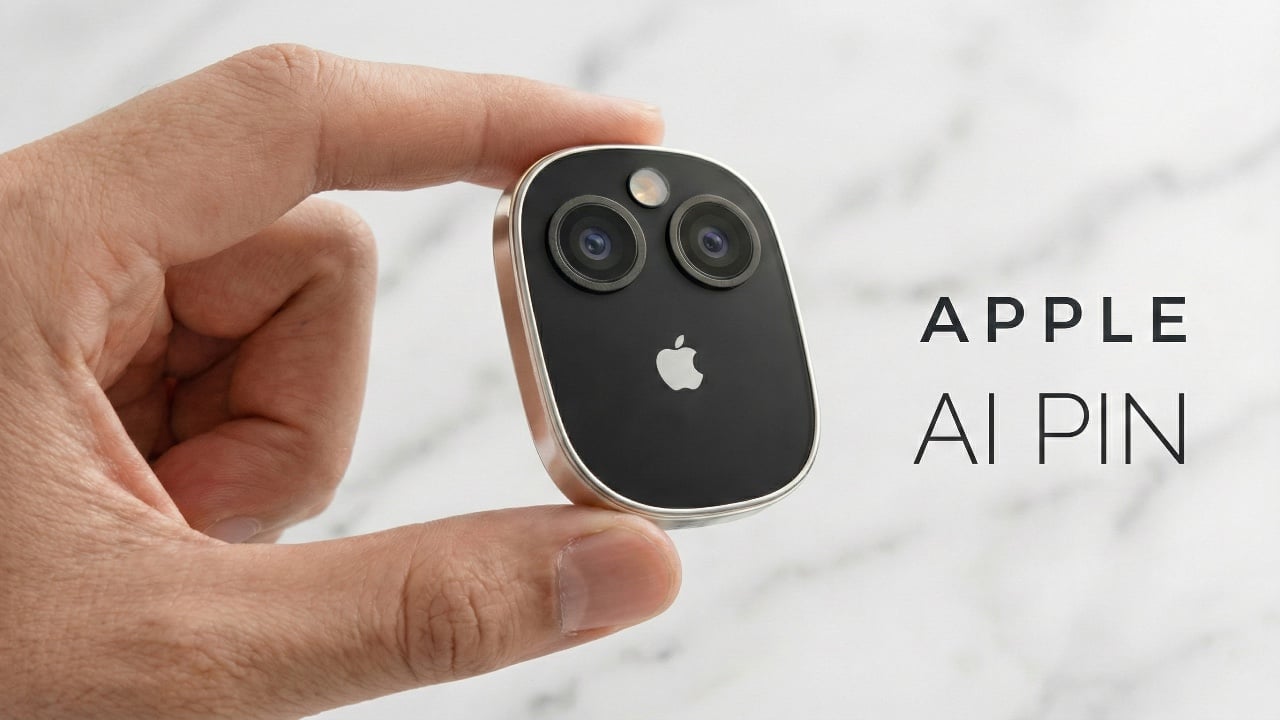
Yet, as one chapter closes on the current generation of AI interaction, another is already being written by the same industry players. Rumors are circulating today about a potential new entrant from a major tech player—the “AI Pin.” Reports suggest Apple is developing a revolutionary screenless wearable intended to replace the smartphone entirely, debuting as early as 2027. This isn’t just a new gadget; it’s a radical reimagining of the user interface. By eliminating the screen and relying entirely on sophisticated conversational AI, voice, and projection, the AI Pin represents the next frontier in personalized computing.
If successful, this device moves AI out of the screen and directly onto your body, embedding it into every conversation and moment. It demands an AI model with an unprecedented level of contextual awareness and proactive capability—an assistant that doesn’t just respond to requests but anticipates needs. This is the ultimate promise of ambient intelligence, making our devices less distracting and more integrated into the real world.
But here is where today’s two main stories collide: the AI Pin, by its very nature, would require an even more pervasive and continuous connection to the user’s environment than Google Assistant ever did. If consumers are already suing tech giants for accidental or unauthorized recordings through their phones, how will they react to an AI device purposefully designed to listen and observe all the time in order to be functionally useful?
The industry is clearly pivoting toward ambient and screenless AI, betting that the convenience payoff will outweigh the privacy reservations. For these next-generation AI devices to succeed, companies must do more than just pay settlements; they must design these tools with privacy and transparency baked into their fundamental architecture. Otherwise, the convenience of the AI Pin will come with a lingering, familiar feeling of being perpetually watched, leading us right back to the courtroom.